Hypertension Nursing Diagnosis & Care Plans

Hypertension Nursing Diagnosis

Hypertension—commonly called high blood pressure—is a chronic medical condition in which the force of blood against arterial walls remains persistently elevated above normal levels. Often referred to as the “silent killer,” hypertension typically produces no noticeable symptoms until serious complications develop. Left untreated, chronic high blood pressure damages vital organs, including the heart, brain, kidneys, eyes, and vascular … See Nursing Diagnoses
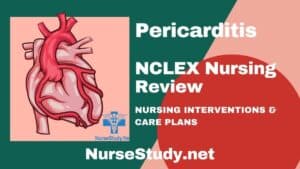
Pericarditis Nursing Diagnosis and Care Plan

pericarditis nursing diagnosis

Pericarditis is the inflammation of the pericardium, the protective, double-layered sac that surrounds the heart. This condition causes sharp, pleuritic chest pain that often radiates to the neck, shoulders, or back and is typically relieved when the patient leans forward. For nurses, recognizing pericarditis is crucial because early intervention can relieve pain, prevent complications, and … See Nursing Diagnoses

Cardiac Tamponade Nursing Diagnosis and Care Plans

Cardiac Tamponade nursing diagnosis

Cardiac tamponade is a life-threatening condition in which fluid (blood, pus, or effusion) rapidly accumulates in the pericardial sac, compressing the heart and preventing normal filling. This leads to reduced ventricular filling and a sudden drop in cardiac output. Common causes include chest trauma, recent cardiac surgery, pericarditis, malignancy, or uremia that allow blood or … See Nursing Diagnoses

Cardiogenic Shock Nursing Diagnosis and Care Plans

cardiogenic shock nursing diagnosis

Cardiogenic shock is a life-threatening condition in which the heart cannot pump enough blood to meet the body’s needs. It typically follows extensive myocardial damage (most often from a large myocardial infarction) and results in low cardiac output and widespread tissue hypoperfusion. Clinically, cardiogenic shock is defined by sustained hypotension (e.g., systolic ≤90 mmHg) with … See Nursing Diagnoses